The Wisdom of Death, Part 2 💀
Transhumanism, Consciousness, and the Importance of Psychospiritual Death and Rebirth: How To Make Death an Ally
Last time we met Bryan Johnson, the Los Angeles centimillionaire obsessed with reversing aging and attempting to outsmart death, and we contrasted the dysfunctional relationship with death that we have in the industrialized West with that of India. Today, in another excerpt from my forthcoming book about non-cognitive forms of intelligence, we will take a closer look at how a fear of death drives transhumanism and how we might invite death into our lives as an ally, by microdosing death and, as a result, learning to live more fully.
People living deeply have no fear of death. — Anaïs Nin
Before we dive in, I want to clarify that I'm not saying we shouldn't explore and develop technological advancements that extend the average lifespan or improve life for the elderly. What I am saying is that cultivating a healthier attitude toward the reality of death will help us become happier, wiser, and more compassionate humans who can then develop technologies that elevate humanity, rather than attempting the impossible, like uploading our consciousness into the cloud.
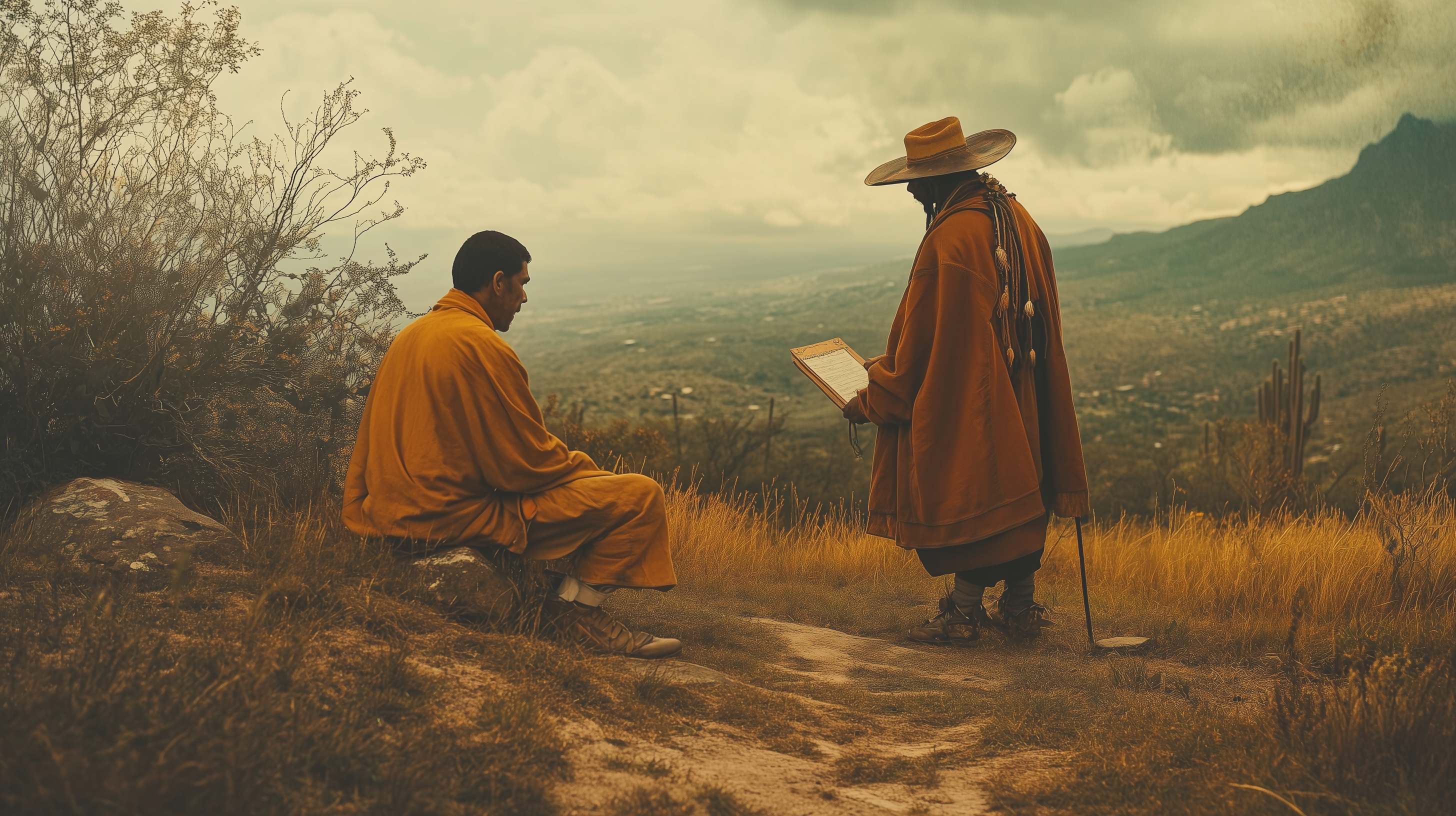
Death is the only wise adviser that we have. Whenever you feel, as you always do, that everything is going wrong and you’re about to be annihilated, turn to your death and ask if that is so. Your death will tell you that you’re wrong; that nothing really matters outside its touch. Your death will tell you, ‘I haven’t touched you yet.’ — Carlos Castaneda, Journey To Ixtlan
The first time I understood death as anything but a terrifying and total annihilation to be feared was while reading the Carlos Castaneda books as a young man. For those who don’t know these books, they tell the story of an anthropologist studying under a Yaqui medicine man named Don Juan Matus. Don Juan teaches Castaneda how to follow a “path with heart,” and to break his societal conditioning in order to become a spiritual warrior. The books were marketed as non-fiction but have since been discredited as likely fabricated. Regardless, even if Castaneda made it all up, there is deep wisdom in those books. We will return to that wisdom in a moment.
Before we learn how to make death an ally, let us pick up where we left off last time, with the technoscientific view that death is simply a failure to innovate, or even a disease.
The Transhumanist Perspective
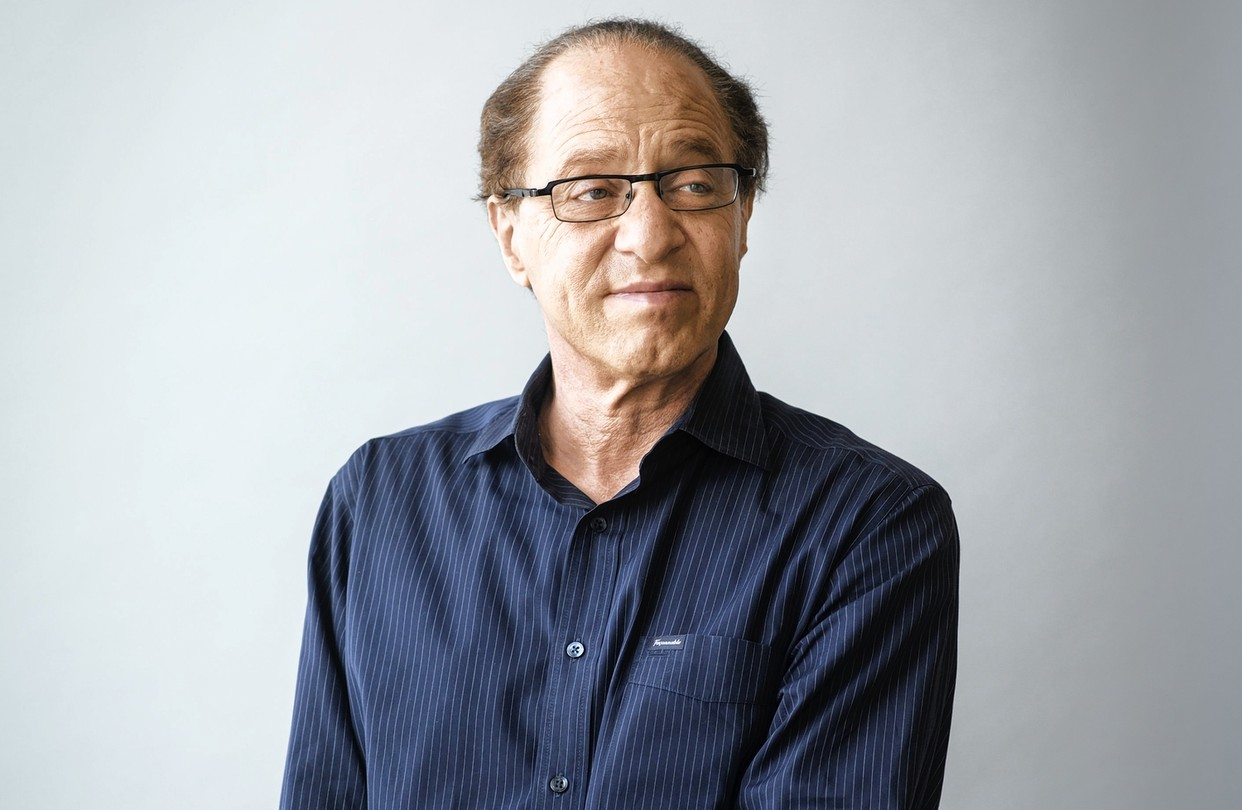
Whereas some of my contemporaries may be satisfied to embrace aging gracefully as part of the cycle of life, that is not my view. It may be ‘natural,’ but I don’t see anything positive in losing my mental agility, sensory acuity, physical limberness, sexual desire, or any other human ability. I view disease and death at any age as a calamity, as problems to be overcome. — Ray Kurzweil, The Singularity is Near
Like all lifeforms — and even planets, stars, and galaxies — we will die. Yet so much of what drives our current technological innovation is a deep fear of our own expiration, a fear that results in a voracious quest to extend life.
Much of the transhumanist project of merging with, or becoming, machines seems to be motivated by a fear of death, although most transhumanists will insist that they are not afraid of dying.
After all, when you’re a billionaire, the only real problem you cannot avoid is death (putting aside interpersonal conflicts, failing at regulatory capture, emotional problems, cringe behavior, and narcissism—see the recent Joe Rogan interviews with Mark Zuckerberg, Marc Andreessen, and Peter Thiel). As we saw last time, this fear is mirrored in, and magnified by, our larger medical system; and in our lack of ritual, reverence, and support around death and dying. I can understand our collective fear of death, and attempts to "conquer" it. But this fearful attitude is not healthy, nor does it lead to lasting happiness or a deeper understanding of nature.
When you read the transhumanist literature it becomes clear that, for the transhumanists, death is an engineering problem to be solved, with the application of our intellect, and our technologies of the mundane. Transhumanists call aging a disease.1 Relying heavily on the machine metaphor for life, they believe that scientists will finally understand the “mechanisms behind aging.”2 They hang their hopes on unproven free radical theories like those proposed by engineer Aubrey de Grey in The Mitochondrial Free Radical Theory of Aging.3
Human Body Version 2.0
The transhumanists approach immortality in two ways: re-engineering the body so that it doesn’t deteriorate, and figuring out how to upload our minds into the cloud so that our “consciousness” lives on in purely digital copies. Ray Kurzweil talks about using “nanoengineered methods such as nanobots to augment and ultimately replace our organs” in order to create “human body version 2.0,” although such technology is nowhere near a reality. Kurzweil even talks about eliminating the heart altogether and relying on “nanorobotic blood cells” to give the blood its own mobility. He goes on:
Kurzweil generously admits that keeping the skin may be beneficial, although one then wonders how to keep it from growing increasingly dry and wrinkly: “But the skin, which includes our primary and secondary sex organs, may prove to be an organ we will actually want to keep, or we may at least want to maintain its vital functions of communication and pleasure.” Reading these passages makes one wonder whether the transhumanists know how to have fun.
Transhumanist Elise Bohan focuses more on genetic engineering as a means to extend human lifespans and achieve a sort of immortality, although she also points to nanobots as another solution.5 Other transhumanists, like Natasha Vita-More, cite genetic engineering as part of a broader “biotechnogenesis media of life extension,” which includes nanotechnology and human-computer interfaces.6
Even if complete organ replacement and increasing use of nanobots for sustaining mammalian life were technologically feasible, what it would mean for embodied intelligence? What would that do to our emotional intelligence? Would we still have compassion without a heart? Would be still be able to follow our gut when our internal organs have become an efficient, 3D-printed digestion machine? I explore all of these questions in great depth in other chapters of my forthcoming book.
Granted, we have workable artificial heart valves, cochlear implants, bladders, and retinas today. But the idea that we could replace every natural organ in the body and still function is the reemergence of the over-application of the machine metaphor (highlighted recently by ) and the left hemisphere’s tendency to see wholes as made up of parts (as explored in great depth by Iain McGilchrist).
Disembodied Consciousness?
Maybe we don’t need bodies at all. According to the transhumanists, once we figure out how to make copies of our minds, memories, and consciousness, we will then create what Kurzweil calls Human Body Version 3.0, where we engineer an entirely synthetic body of our choice and install our consciousness copy into it.7 Of course, nobody knows whether it is possible for us to create or replicate consciousness in a machine. This failure to explain how consciousness can arise from chemical firings in brain matter is known as the hard problem of consciousness. As I have discussed elsewhere, I do not think machines can ever be conscious.
Not long after making copies of our minds, according to the transhumanists, superintelligent machines will help us to engineer matter and energy to support intelligent computation at the most fundamental level of reality. We can then permeate matter itself with this computational consciousness and traverse the cosmos as pure information riding on electromagnetic waves.8 As cool and far-out as this sounds, it strikes me as an unconscious attempt at backing into the idea of spirit, or even Platonic forms, through technoscience and pure computation. It reminds me of the Spiritualist movement from the 19th century, where adherents thought new technologies like photography, the telegraph, and radio could help us communicate with spirits. We technology-obsessed humans always seem to look to technology for answers, and even as a loophole out of our scientific materialism.
Although it may not be possible to copy the entirety of our consciousness onto a machine, that hasn't stopped companies in China from offering a service that simulates loved ones who have died to help grieving family members cope with their death. These simulations are not themselves conscious but it is easy to forget that when we are so emotionally invested.
The Spiritual Perspective on Death
Nothing is more creative than death, since it is the whole secret of life. It means that the past must be abandoned, that the unknown cannot be avoided, that “I” cannot continue, and that nothing can be ultimately fixed. When a man knows this, he lives for the first time in his life. By holding his breath, he loses it. By letting it go he finds it. — Alan Watts, The Wisdom of Insecurity: A Message for an Age of Anxiety
It makes sense that we try to ignore and avoid death. In an increasingly secularized society, we have no ensouled worldview or metaphysics for understanding death; an afterlife or reincarnation are no longer possibilities. Death is total annihilation, and understandably feared as a result.
In contrast, many ancient and pre-industrial cultures viewed death as an integral part of life, as we saw in Part 1. Part of why death was more easily accepted, and even embraced, in ancient cultures was the practice of experiential training for dying, whether through shamanic rituals, transcendental yogic or Buddhist meditation practices, or other mystery rites like the Eleusinian Mysteries that involved experiential death and rebirth.
Psychedelics and “Dying” Before Dying
Psychedelic states induced by sacred plant medicines like ayahuasca, psilocybin mushrooms, or peyote have been described as similar to the early stages of the dying process—psychedelic journeys are often described as an "ego death." After all, to the ego, there is no real difference between physical death and ego death.
Although it's not most people's idea of fun, experiencing non-ordinary or holotropic states of consciousness offer at least two benefits when it comes to developing a healthier relationship to death. First, they often have the quality of a psychospiritual death and rebirth, allowing one to face the feeling of annihilation and understand that there is nothing to fear, in death or in life. Second, they provide access to an infinitely blissful, transcendental and transpersonal realm of experience—the collective unconscious, showing the psychonaut that there is an entire reality beyond the mundane, material realm we inhabit in conditioned, ordinary states of consciousness. When we experience the loving bliss that is the true nature of reality, we start experience life as nurturing, almost womb-like place.
In short, most participants in sacred plant ceremonies feel reborn after these psychospiritual death experiences: lighter, more fully alive and free, fearless.
In addition, there is something about facing death that involves and requires a deep emotional intelligence. These holotropic experiences can help us to open to the intense emotions we carry in connection with death, to feel them fully, integrate them, and release them. As Stan Grof often says, the full expression of a difficult emotion is the funeral pyre of that emotion.9
I think that many transhumanists—like Bryan Johnson—are so emphatic about the value of achieving immortality because the idea of death brings up fear, anxiety, anger, and grief—emotions that are not pleasant. But, what is beautiful about grappling fully with death is the ways that it expands our capacity for acceptance, gratitude, compassion, and love. Like Charlotte in Charlotte’s Web, we embrace going gently into that good night, with a deep appreciation for the beauty of endings and new beginnings.
Crucially, you don't need to ingest anything to experience a psychospiritual rebirth; you can microdose these experiences by tapping into the DMT that is produced naturally in your brain, through breathwork or other forms of transcendental yoga practice, including mantra or kriya practices.
But what exactly is this loving, transcendental, transpersonal realm these holotropic experiences provide access to?
Idealism and Cosmic Consciousness
Idealist worldviews like Yog-Vedanta, non-dual Shaiva Tantra, or that described in the work of Bernardo Kastrup, show that the fundamental nature of reality is not matter but consciousness. In this view, everything is consciousness and all beings are temporary eddies in the larger river of consciousness. So death is simply a reunion with that larger consciousness. It is a loosening, a relaxing, a big exhale; awakening from the dream of life. Perhaps a small part of us continues on into another incarnation, as the Hindus believe. Or perhaps our consciousness is remixed into multiple other incarnations like our body decomposing to become flowers, as many Buddhists believe.
In nature, nothing lasts forever. Plants and animals decompose to nourish new life. Stars implode. Even entire galaxies eventually burn out.
In short, the more often we access this state of unity consciousness experientially, the more comfortable we get with death, with the fact that this expanded state is the one we ultimately return to upon our death. Again, the reality that holotropic states points to is that death is more like waking from a dream than becoming nothing.
Making Death Your Ally
In a world where death is the hunter, my friend, there is not time for regrets or doubts. There is only time for decisions. — Don Juan to Carlos Castaneda, Journey to Ixtlan
The Buddha called death the greatest teacher, a source of profound wisdom. Although death offers us deep wisdom, because we live in the so-called "Intelligence Age," I think it's important to couch it in those terms. Consequently, in my book, I am calling this process of making death an ally "mortal intelligence."
Mortal Intelligence is a form of knowing that frees us to live fully and fearlessly, and helps us approach the transformation of death with grace, while staying open to the eternal and mysterious transmutation of matter and energy. Although the death and rebirth experiences offered by sacred plants like ayahuasca or practices like breathwork are powerful, I find other sacred mortal intelligence techniques and practices to be equally powerful. These include meditation, contemplation of one's own death, sacred death rituals, and honoring one's ancestors.
Meditation as Preparation for Death
The more we learn to exist in a state of present-moment awareness, instead of in our minds, the more we can embrace the fact of our own death. Pure awareness is unafraid of death. Only the discursive mind is afraid.
In the frantic, industrialized world, meditation and mindfulness techniques are seen as stress-reduction techniques. But meditation is so much more: The more we meditate, the more we become present with reality, with our body, and with our emotions. We learn to accept the fullness of the present moment, to accept what is. As we go deeper, we start to access unity consciousness, a unification of our selves with all of nature, and with the cosmos. At this stage, meditation is a natural means of accessing the holotropic states available through psychedelics and sacred plants. This consistent embrace of what is combined with the experience of our larger selves then helps us to cultivate fearlessness. We then start to cultivate the experiential understanding that no experience is too big for our true selves to handle, one of the larger lessons that Krishna imparts to Arjuna in The Bhagavad Gita.
Because meditation helps us stay centered and present under any circumstances, and to surrender to the flow of life that is beyond our control, this can include the experience of dying, when that eventually arrives. This more mindful state of consciousness also prepares us for the next technique: contemplating our own death.
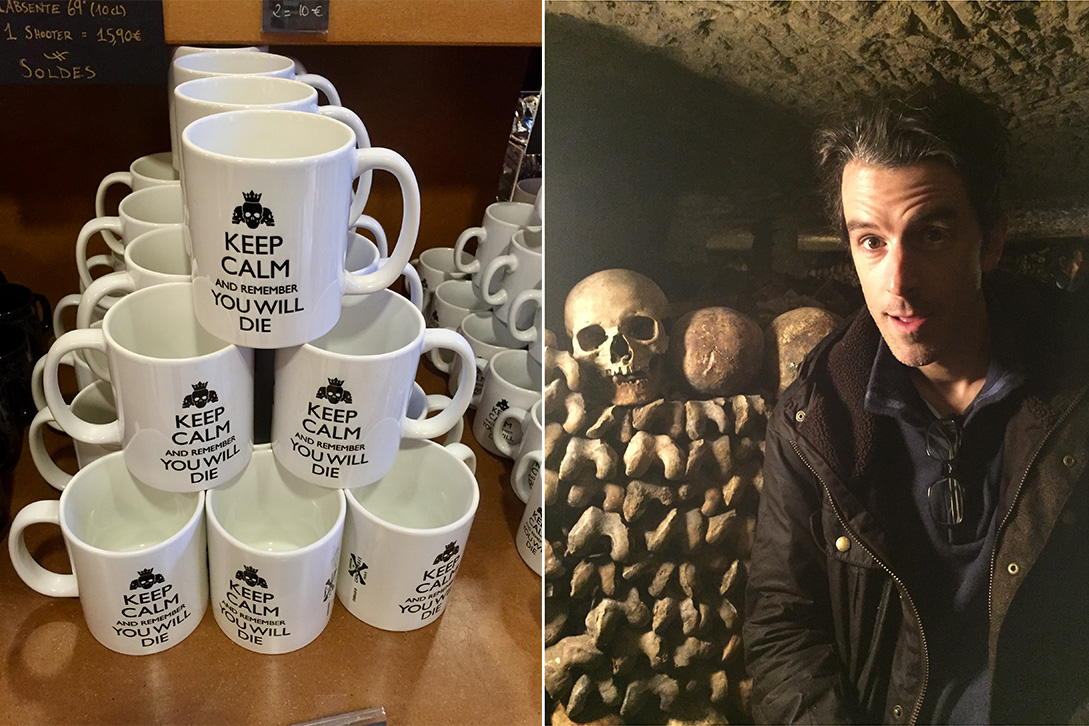
Contemplating One's Own Death
Contemplating death helps us develop a laser-like focus on what is truly important, and to live more authentically as a result. This open-eyed acknowledgement of our own death can motivate us to live more fully, to make every moment count, and not to spend our precious time like Bryan Johnson in a homemade lab obsessing about how much sleep we're getting or how many erections we have during the night. There are many approaches to contemplating one's death; I will offer only a few here.
In his book The Tools, Phil Stutz offers a powerful practice for contemplating one's death that he calls "Jeopardy." This tool for breaking free from inertia and connecting to a larger purpose goes as follows: You see yourself on your deathbed and imagine what you would say to your present self about priorities and living fully. This is one way to make death an ally.
Joanna Ebenstein, in her book Memento Mori: The Art of Contemplating Death to Live a Better Life, offers a number of options for embracing the reality of your eventual death, including writing your own epitaph, planning your ideal funeral, writing your own eulogy, and envisioning your final days and how you would like to die.
Although these contemplations might sound intense, you can see how these practices can focus your attention on what's truly important, including unfinished business, healing petty grievances, and taking more calculated risks. It's one thing to go around saying, "Life is short." It's another thing to plan your own funeral.
Embracing the reality of death can foster humility and a deeper appreciation for the interconnectedness of all things. Confronting our fear of death can even lead to spiritual awakening, helping us to let go of our attachments and become more fully present, dying to every moment and approaching each day anew. By letting go of control in our lives, we experience greater peace and less suffering.
Honoring One's Ancestors
Ancestor veneration, a gratitude for those who came before, is another means for befriending death. This can be a more accessible way of getting comfortable with death than contemplating our own death, which might feel too close-to-home.
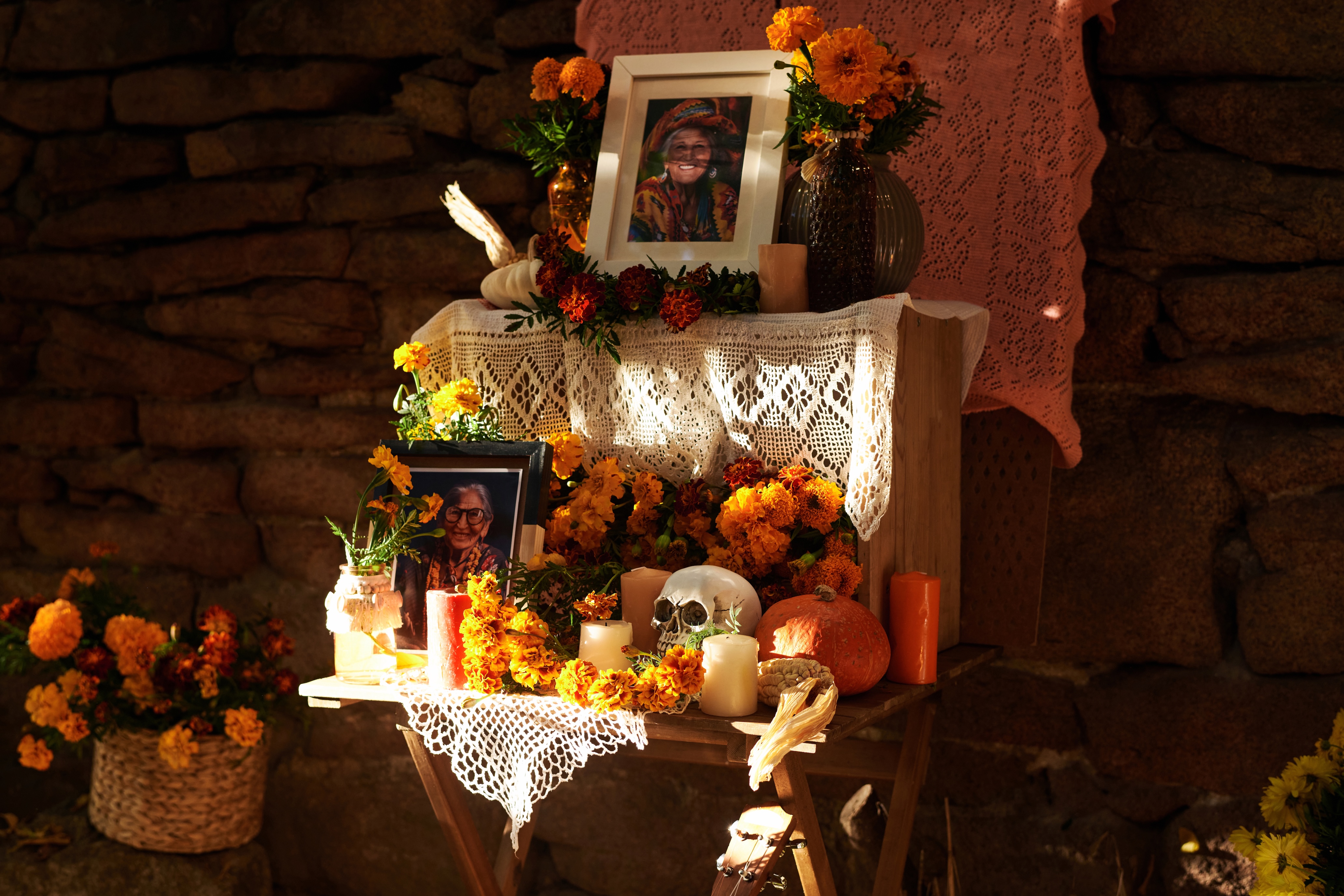
I encourage you to devise a personal sacred ritual for honoring your ancestors. Choose a sacred space, either in your home or some place in nature. Setup some kind of altar and initiate the space by burning sage, incense or a candle. Consider offering flowers, poems, songs or anything else that feels appropriate. Call on your ancestors by name, tell stories, and listen. Perhaps your family or culture already offers you a tradition for doing this. If so, explore that. Consider setting up a permanent or seasonal altar to your ancestors.
Another option for honoring your ancestors is to learn more about them. Talk to your extended family, gather photos, study your heritage. We have a tendency in the modern world to seek clean breaks with the past. But there is a beautiful depth of rootedness in connecting with our familial lineage.
Sacred Death Rituals
Marking the transition of death in a way that allows for grieving without shame is also important. We need to bring back sacred rituals around death that go beyond the sanitized funerals and wakes of our modern world. Can we make funerals more sacred but also more of a celebration of life and its eternal nature? Can we make more space for grieving? After all, grief is part of life, and an expression of love: your love for another, your love for life, and of the Great Spirit for you and everyone you love. Grief is a beautiful and profound form of love.
What if we built temples for grieving?

Memento Mori
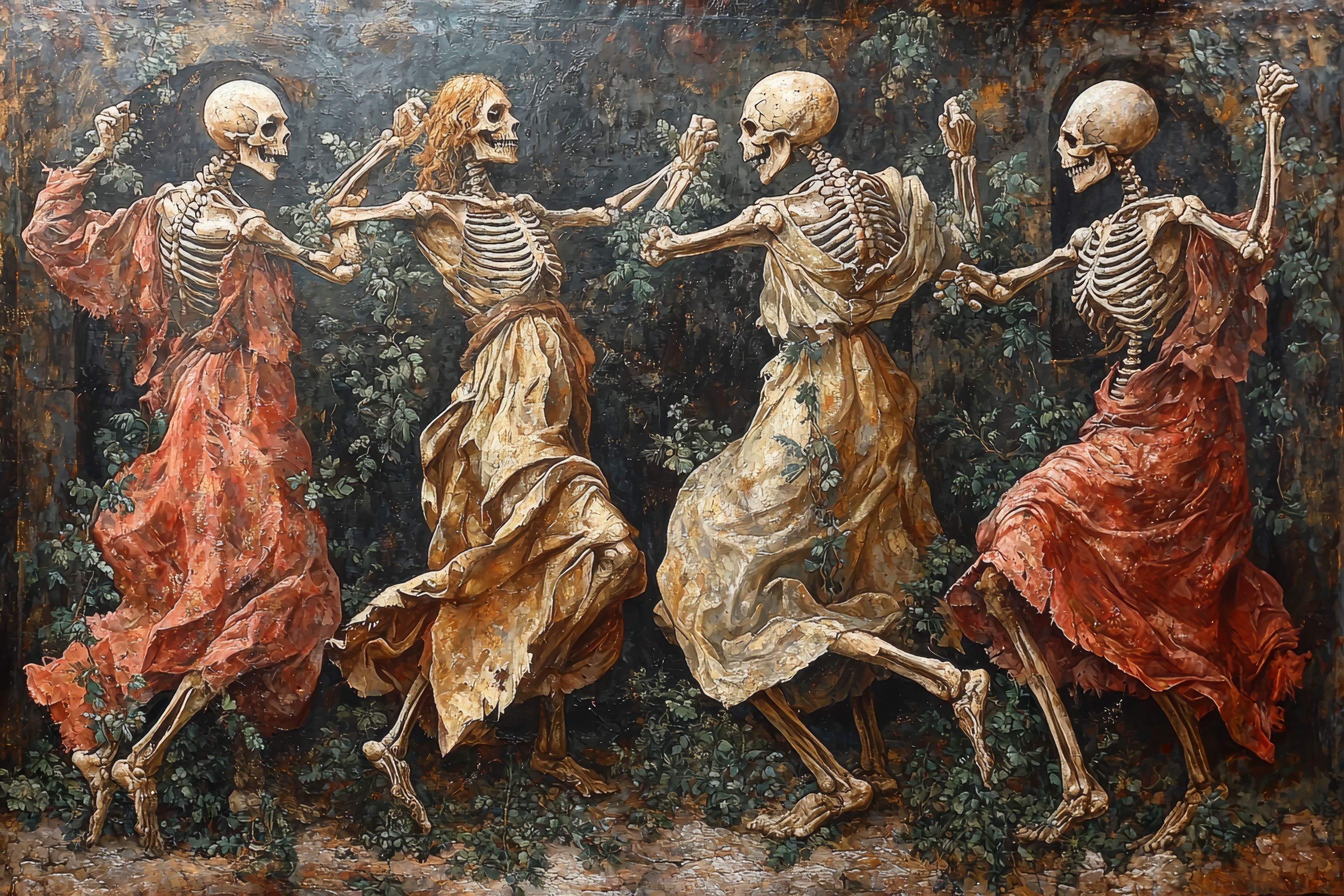
Many ancient cultures cultivated and treasured objects that were intended to serve as a daily reminder of death. These are known as memento mori, which is Latin for "remember that you must die." In fact, Socrates said that memento-mori contemplations are at the heart of the practice of philosophy.
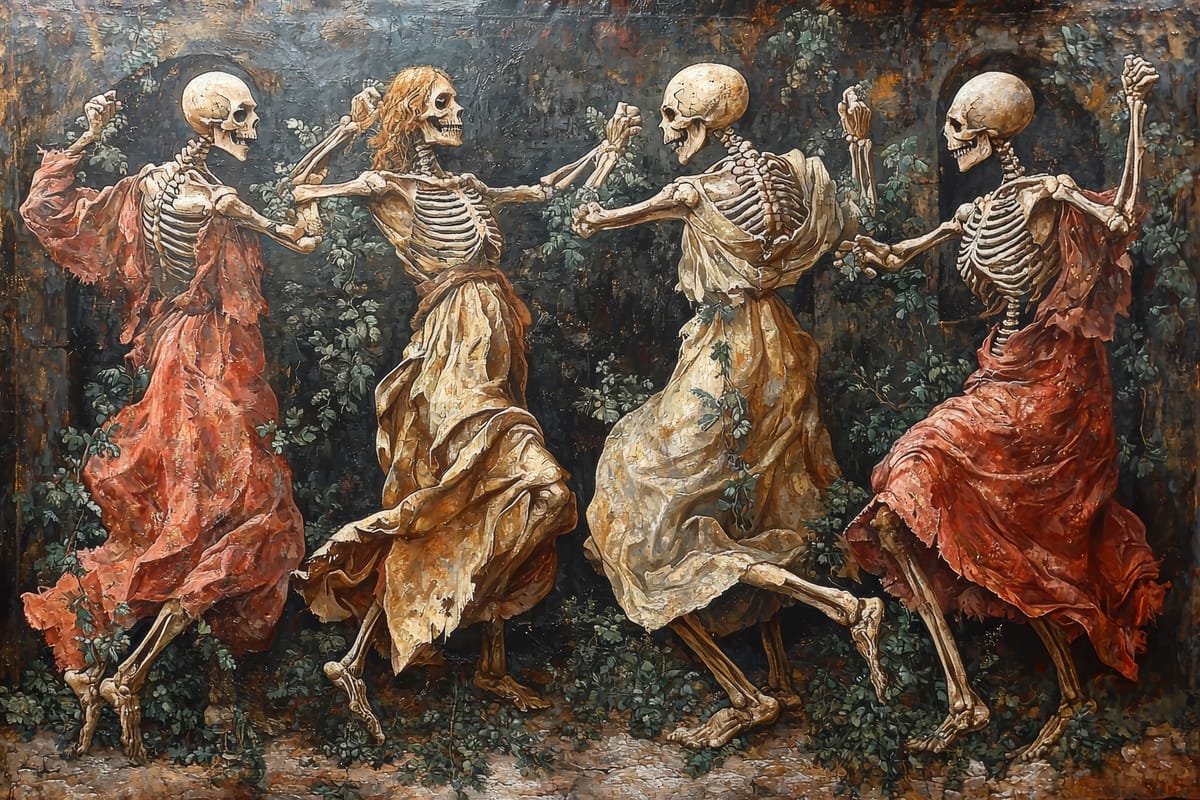
I adopted this practice seven years ago when I came across a beautiful, hand-carved skull in a shop in Rishikesh, India. I keep it on my mantle as a reminder to be present to my own mortality and to approach every moment and every decision in my life with the knowledge that I will eventually die. But you don’t have to use a skull. It could be a painting of a cemetery or danse macabre.
Conclusion
A mortal, Frodo, who keeps one of the Great Rings, does not die, but he does not grow or obtain more life, he merely continues, until at last every minute is a weariness. — Gandalf, The Lord of the Rings
As Ernest Becker proclaimed in his Pulitzer-Prize-winning book, The Denial of Death (1973), we humans have a paradox at the core of our nature: we know we are animals whose bodies will decay, but we also have the imagination and ingenuity to manipulate our world to some extent. In Becker's words, we are "a god who shits."
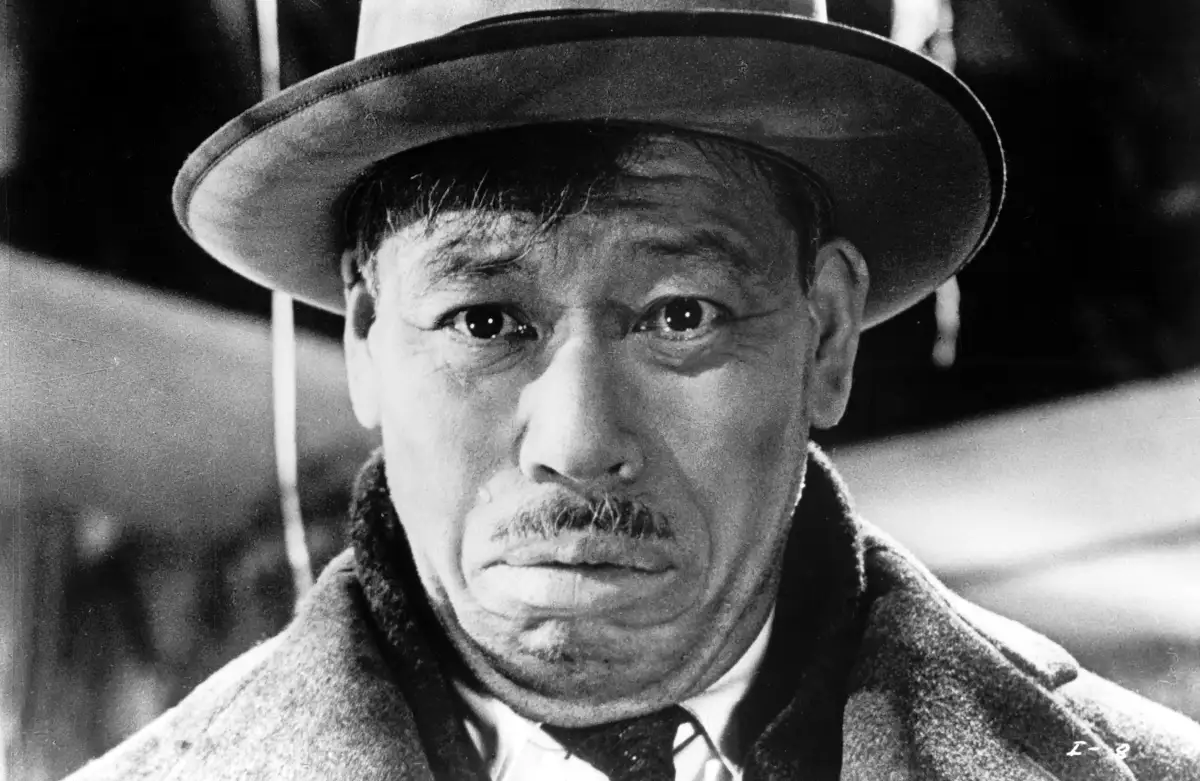
Like the protagonist in the film Ikiru (Kurosawa, 1952), we habitually repress our awareness of our own eventual death in order to avoid the dread and other emotions that arise from that awareness. For him, after a life wasted in clerical work in a government office, it took receiving a cancer diagnosis to truly begin living. Fortunately we are wiser, more aware; by entering intentionally into the dark depths of that existential angst, we can emerge on the other side fearless and free, not because we have engineered an artificial body or copied our consciousness to the cloud but because we have realized our true nature as eternally immortal in the first place.
Do We Really Want To Live Forever Anyway?
The transhumanists are attempting to achieve through materialistic science something that is already a reality: the immortality of our true essence. It causes technologists to waste time and vast resources attempting to force matter to be a vehicle to a bizarre, secular spiritual reality full of nanobots and digital souls in vast server farms. It is absurd, and downright dystopian. And it causes us to neglect the true self, its inner evolution, and the well-being of other people.
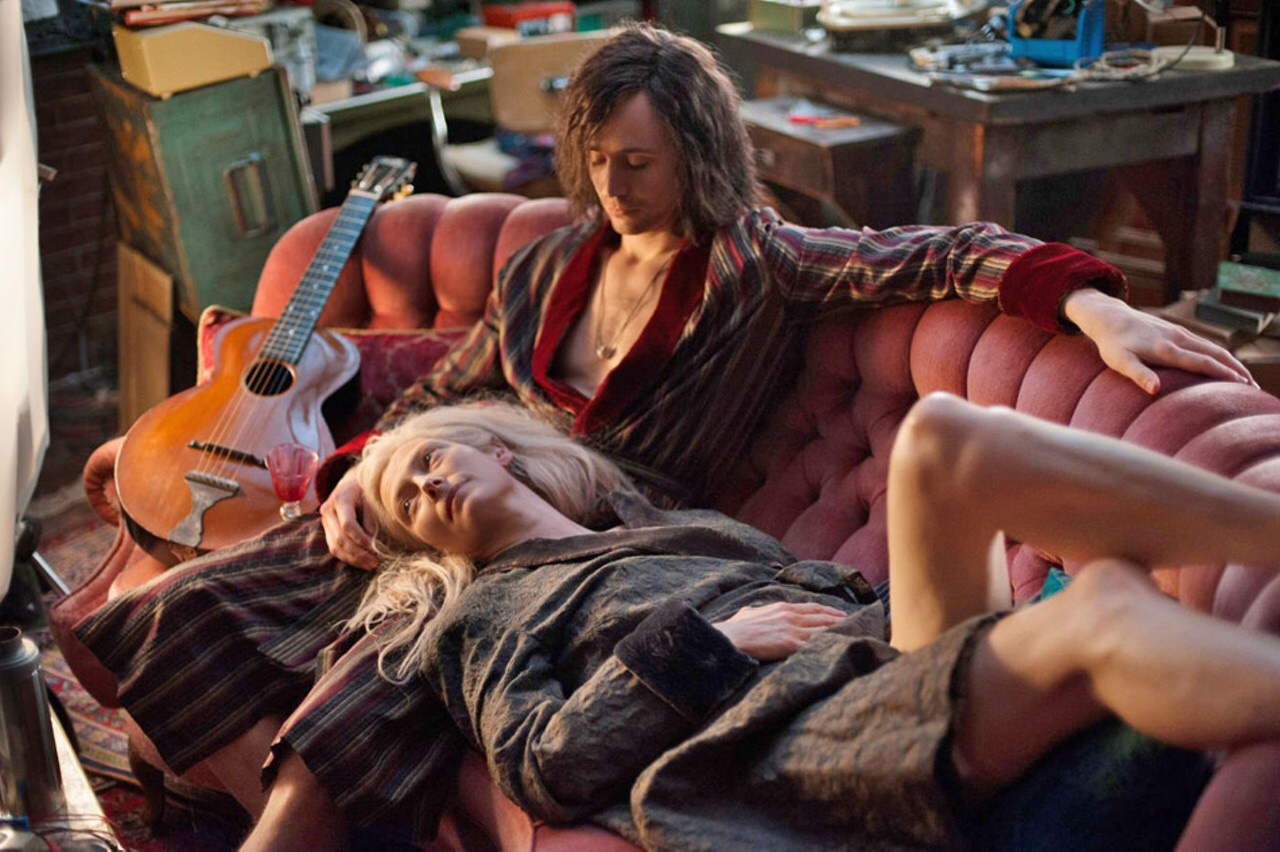
Plus, echoing JRR Tolkien above, do we really want to live forever? (More importantly, do we really want Elon Musk around forever?) There is a profound wisdom in the cycles of birth and death, waking and sleeping. I think immortality sounds good in theory, because life is so enjoyable, especially if you have Silicon Valley money. But over long spans of time, without the renewal of oblivion, I think it might become a bore. There is something about life, and especially human consciousness, that requires rest, both on a daily basis and in the spans of lifetimes.
In order to cultivate a healthier relationship to death, we first need to acknowledge the inevitability of death, and recognize the crucial role that endings of all kinds plays in the creativity and evolution of the cosmos. Even stars die.
Acknowledging the inevitability of death can help one overcome the fear of failure and, consequently, to pursue a more fulfilling life. There is a deep wisdom to be found in contemplating one's own death.
Facing death is an invitation to embrace a more ensouled, transcendental worldview, to understand that we are simply the cosmos experiencing itself as an act of play and love, as the ancient Tantrik yogis believed. As The Bhagavad Gita reminds us, there is no such thing as death. There is only life in different forms. Nothing real can be harmed, and nothing unreal exists.
If there is one thing I want you to take away from this encounter with your own mortality it’s this: a rich and full life free of fear, regret, shame, and judgment. Death is something we all face, and it can unite us in its transcendental invitation to a deeper place inside us all.
A Jungian Death Meditation
I leave you with a Jungian Death Meditation from June Singer's Modern Woman In Search of Soul (1998). Consider reading it to yourself via a voice memo and listen to that regularly.
Close your eyes and imagine that you are on your deathbed. You feel yourself drifting. You don’t have any more energy to do anything. Your desk is piled high with unanswered letters, bills to be paid, unfinished projects. Either someone else will pick them up for you or they will remain undone. It doesn’t matter much. No one will know that the idea you meant to work out never came to expression. No one will feel the poorer for it. Then there are the people in your life. If you loved them well, they will miss you and grieve for you. Over time the poignancy of your absence will fade and only a warm remembrance will be left. There will be those for whom you did not care enough, those you rejected, those with whom there is still some unfinished business. It doesn’t matter now. There is nothing you can do about it.
There is only one thing you can do, and that is to let go. Let the tasks of the world slip away. Let your very identity slip away. Let your loved ones mourn a little while for you and then go on their way. Let go of everything—your home, your possessions, your feelings, and your thoughts.
Allow yourself to float. You begin to feel lighter. You have shed the heavy load you have been carrying. What was the heavy load? It was your sense of self-importance. It was your belief that everything you did had intrinsic importance, therefore you had to do it fully and perfectly no matter what it cost. Or, conversely, it was your belief that your work was so important that you couldn’t possibly do it well enough, so the burden you carried was the unfulfilled responsibility. But either way, don’t you see how temporal it is when you are facing your own death? This practice can help you learn to do a little less, do it a bit more slowly, do it with care, and do it with love.
Bohan, Elise, Future Superhuman: Our Transhuman Lives In a Make-or-Break Century (NewSouth, 2022), 181. ↩
Bohan, 181. ↩
See, e.g., Bohan, 181, citing Grey, Aubrey D. N. J. de, The Mitochondrial Free Radical Theory of Aging (R G Landes Co, 1999). ↩
Kurzweil, Ray, The Singularity Is Near: When Humans Transcend Biology (Penguin 2005), 307. ↩
Bohan, 180 et seq. ↩
More, Max, and Natasha Vita-More, eds., The Transhumanist Reader: Classical and Contemporary Essays on the Science, Technology, and Philosophy of the Human Future (Wiley-Blackwell, 2013), 74. ↩
Kurzweil, Near, 309. He more recently called this “You 2.” See Kurzweil, Ray, The Singularity Is Nearer: When We Merge with AI (Viking, 2024), 102. ↩
Kurzweil, Nearer, 8. ↩
See, e.g., The Way of the Psychonaut, Volume Two. ↩